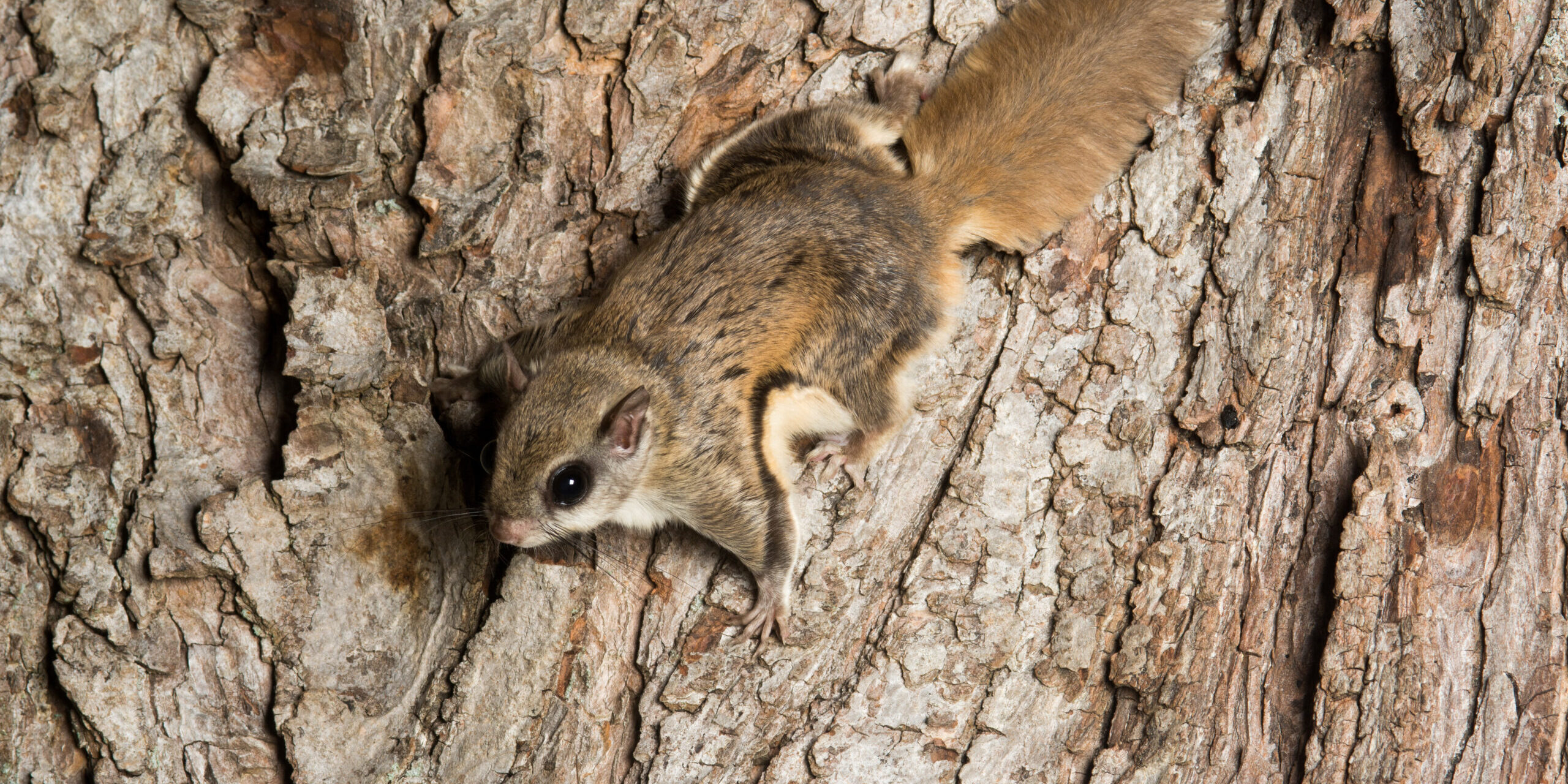
You may never actually see a flying squirrel—but you’ll definitely hear it.
Scratching in the attic at night. Light thumping above your ceiling. Maybe even a faint chirping sound you can’t quite place. And then the big question hits: how do flying squirrels get into your house in the first place?
The truth is, most homeowners are shocked when they find out just how easily these animals can slip inside. Flying squirrels don’t need a large hole or obvious damage to invade your home. In fact, the smallest construction gaps—ones you’d never notice from the ground—can become the perfect hidden doorway into your attic.
If you don’t identify and seal these entry points properly, the problem rarely goes away. Instead, it repeats itself—sometimes year after year.
Let’s break down exactly how flying squirrels are getting in, where to look, and why these entry points are often missed.
Roofline Vulnerabilities: The #1 Way Flying Squirrels Get Inside
When homeowners ask how do flying squirrels get into your house, the answer almost always starts at the roofline.
Flying squirrels are incredible climbers and gliders. They don’t just crawl up your home—they launch from nearby trees and glide directly onto your roof. Once there, they begin searching for weak points.
The most common problem areas include:
- Soffits (the underside of your roof overhang)
- Fascia boards (the trim along the roof edge)
- Roof intersections and valleys
- Gaps where roofing materials meet siding
Over time, these areas can develop small separations due to weather, aging materials, or poor construction. To a homeowner, these gaps look insignificant. To a flying squirrel, it’s a wide-open entrance. Even a gap as small as 1–2 inches is enough. Once they find a suitable spot, they’ll repeatedly use it as a main access point—entering and exiting nightly. This constant activity can slowly worsen the opening, making it easier for more squirrels to follow.
Small Openings, Big Problems: Why Tiny Gaps Lead to Infestations
One of the biggest misconceptions about wildlife intrusion is that animals need large holes to get inside. That’s simply not true. If you’re wondering how do flying squirrels get into your house, the answer often lies in openings you didn’t even know existed.
Flying squirrels can squeeze through:
- Construction gaps along the roofline
- Warped or separated trim
- Openings around attic vents
- Spaces where different building materials meet
Because these openings are often hidden or elevated, they go unnoticed during routine home inspections. From the ground, everything may look perfectly intact. But at night, flying squirrels are actively exploring your home’s exterior.
They’re looking for:
- Warm air escaping from the attic
- Structural gaps that offer shelter
- Previously used entry points
And once they find one, they remember it. That’s what makes this problem so frustrating. Even if a squirrel leaves temporarily, it will often return to the same exact spot because it already knows it’s safe. Without proper sealing and reinforcement, these small gaps turn into recurring entry points, leading to repeated infestations over time.
Why Flying Squirrels Keep Coming Back to the Same Entry Points
Here’s something most homeowners don’t realize: flying squirrels are creatures of habit. So when asking how do flying squirrels get into your house, it’s just as important to ask why they keep coming back.
Flying squirrels choose entry points based on three key factors:
- Safety from predators
- Warmth and insulation (especially in colder months)
- Previous successful nesting locations
Once your attic has been used as a nesting site, it becomes a known, reliable shelter. Even if the original squirrels are removed, new ones can detect the scent and follow the same paths.
This is especially common when:
- Entry points are not fully sealed
- Repairs are temporary or incomplete
- Nearby trees provide easy roof access
Over time, the damage compounds. The same opening gets used repeatedly, which can:
- Widen the gap
- Increase moisture exposure
- Allow additional pests or weather damage
This is why simply removing the animals isn’t enough. If you don’t address how flying squirrels are getting in, the cycle continues—and the problem often gets worse with each return.
Your Next Steps
By now, you can see that the real issue isn’t just the animals—it’s access.
Understanding how do flying squirrels get into your house is the first step toward stopping the problem for good. These entry points are often small, hidden, and easy to overlook—but they make a big difference when it comes to protecting your home.
With over 30 years of experience, you can trust our team to diagnose and resolve your flying squirrel problem. Varmint Gone provides a five-year warranty on all repairs and construction exclusion work. Call 888-391-3330 or schedule an inspection online with our specialists today!
Checkout Our Reviews Online at Varmint Gone Matthews or Varmint Gone Cornelius