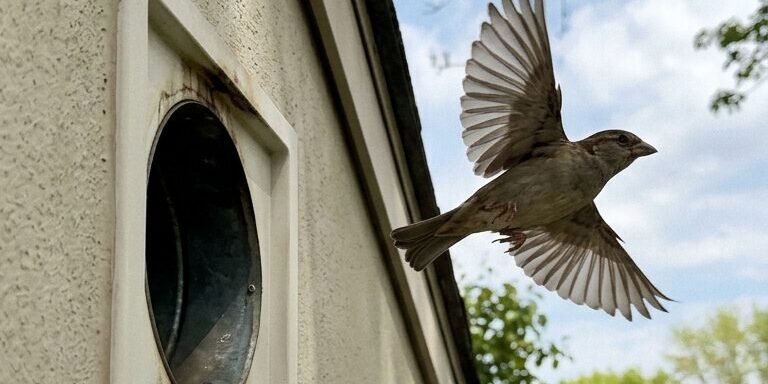
As winter fades and temperatures begin to rise, many homeowners begin noticing an increase in bird activity around their homes and neighborhoods. Spring marks the beginning of migration and nesting season for countless bird species across North America, and with this seasonal shift comes a surge in birds searching for safe locations to build nests and raise their young. While birds are an important part of the ecosystem, the structures around our homes often resemble the natural environments they seek for shelter. Roof overhangs, attic vents, dryer vents, bathroom exhaust vents, and gutters can all appear to birds as ideal nesting locations. These small openings offer warmth, protection from predators, and a convenient space for nesting materials to accumulate. Unfortunately, when birds begin nesting in these areas, the result can be clogged ventilation systems, sanitation concerns, and costly damage if the problem goes unnoticed. Vent openings are particularly attractive to nesting birds because they mimic hollow trees or cavities found in nature. Once birds begin bringing sticks, grass, feathers, and debris into these spaces, airflow can quickly become restricted. Understanding how seasonal migration and nesting behavior influence bird activity is the first step toward protecting your property. By implementing effective bird control tips early in the season, homeowners can prevent birds from settling into vulnerable areas like vents and other structural openings before the nesting process fully begins.
Bird Control Tips for Preventing Nesting Around Your Home
One of the most effective ways to reduce bird-related problems during spring is to focus on prevention before birds establish nests. Many species begin scouting potential nesting locations weeks before construction begins, which means homeowners have a valuable window of opportunity to make their property less attractive to nesting birds. Among the most important bird control tips is conducting a thorough inspection of common nesting hotspots around the exterior of the home. Vents should be one of the first places homeowners check. Dryer vents, bathroom exhaust vents, and attic ventilation openings are among the most common locations where birds attempt to build nests because they offer a protected cavity that resembles a natural nesting environment. If these vents are left uncovered or damaged, birds can easily enter the vent pipe and begin filling it with nesting materials. Over time, this debris can accumulate and partially or completely block airflow. Installing durable metal vent covers designed to prevent bird entry is one of the most reliable preventative solutions available. These covers allow proper airflow for ventilation systems while preventing birds from accessing the interior of the vent. Plastic guards may sometimes break or warp over time, but metal vent covers provide long-term protection against persistent birds attempting to return to the same nesting site.
Beyond vents, homeowners should also evaluate areas where birds frequently perch or gather. Roof ledges, gutters, lighting fixtures, and chimneys can all attract birds looking for resting spots before choosing a nesting location. Bird spikes, sloped ledge covers, and reflective deterrents can discourage birds from landing in these areas without causing harm. Another effective bird control tip involves reducing environmental attractants that encourage birds to linger around a property. Accessible food sources such as uncovered trash, pet food, or overflowing bird feeders may unintentionally attract birds and encourage them to explore nearby structures for nesting opportunities. Maintaining clean outdoor spaces and trimming branches away from rooflines can also reduce the number of pathways birds use to access the home. When homeowners combine structural protection—particularly vent protection—with habitat management, they significantly reduce the likelihood that birds will choose their property for nesting during migration season.
Common Types of Bird Damage Homeowners Experience in Spring
While birds may appear harmless at first glance, their nesting behaviors can lead to several types of property damage when they settle near homes. One of the most common issues occurs when birds build nests inside gutters or downspouts. These nests often consist of twigs, grass, leaves, and feathers collected from the surrounding environment. When nests accumulate in drainage systems, they can block the flow of rainwater and cause gutters to overflow during storms. Over time, this can lead to roof leaks, wood rot, and foundation damage caused by improper drainage. However, some of the most serious damage occurs when birds nest inside ventilation systems. Dryer vents and bathroom exhaust vents are particularly vulnerable to nesting birds because they provide a warm, sheltered cavity that is hidden from predators. Once birds begin building nests inside these vents, airflow becomes restricted. In the case of dryer vents, this blockage can become a serious safety concern. Dryers rely on proper ventilation to release heat and lint, and when a nest obstructs the vent pipe, heat and lint can accumulate, increasing the risk of overheating and potential fire hazards.
Blocked exhaust vents can also cause moisture problems inside the home. Bathroom exhaust systems are designed to remove humid air created by showers and baths. If birds nest inside these vents, trapped moisture can remain inside the home and contribute to mold growth or poor indoor air quality. Another problem caused by nesting birds involves the buildup of droppings around areas where birds perch frequently. Bird droppings contain uric acid, which can corrode paint, stain roofing materials, and damage outdoor surfaces over time. Large accumulations of droppings can also create sanitation concerns and unpleasant odors near entryways, decks, and patios. Bird nests may also attract parasites such as mites, fleas, and ticks that thrive in nesting debris. Once birds leave the nest after the breeding season, these pests may migrate indoors searching for new hosts. This is why wildlife professionals consistently emphasize preventative bird control tips before nesting activity begins. Addressing vent openings and other nesting locations early in the season helps homeowners avoid both the structural damage and sanitation issues that can result from bird infestations.
Seasonal Prevention and Safe Deterrent Strategies
Spring is the most important time of year for homeowners to implement preventative measures that discourage birds from nesting around their property. The transition from winter to spring provides the ideal opportunity to inspect the home for vulnerabilities before birds begin constructing nests. Rooflines, vents, gutters, and exterior openings should be examined carefully for damage or missing covers. Because vents are one of the most common entry points for nesting birds, ensuring that all dryer vents, bathroom exhaust vents, and attic vents are protected with durable metal covers is one of the most effective bird control tips available. These covers prevent birds from entering while still allowing the ventilation system to function properly. Cleaning gutters and removing leftover debris from winter storms is another important step. Leaves and sticks trapped in gutters can serve as a foundation for birds looking to begin nest construction.
Sanitation also plays an important role in preventing birds from returning to areas where they previously roosted. Droppings, feathers, and leftover nesting materials can leave scent cues that attract birds back to the same location year after year. Thorough cleaning helps remove these cues and reduces the likelihood of repeat nesting. Homeowners should also understand that many migratory bird species are protected under federal wildlife laws. Once a nest contains eggs or young birds, removing it may be illegal without proper authorization. This makes early prevention especially important. By following bird control tips before nesting begins, homeowners can avoid legal complications while still protecting their property. In situations where birds have already built nests inside vents or other hard-to-reach areas, professional wildlife specialists can safely remove the nesting materials, sanitize the area, and install secure vent covers to prevent future access. Professional removal ensures that ventilation systems are fully cleared of debris and restored to proper airflow while eliminating contaminants left behind by nesting birds.
Protect Your Property Before Bird Damage Begins
Dealing with birds in home spaces is a serious issue that requires prompt action. These birds can cause extensive property damage, spread harmful diseases, and create an unsafe living environment for you and your family. If you’ve discovered birds in your home, it is crucial to address the problem as soon as possible to mitigate these risks.
At Varmint Gone, we understand the challenges of bird removal and are here to provide safe, humane, and effective solutions. Each member of our team is a professional trained in handling bird removal and decontamination. Don’t wait for the damage to get worse—schedule an appointment with one of our specialists today. You can easily book an appointment online or call us at 888-391-3330 to resolve your bird situation.
Wondering how much bird removal costs? Check out our article on bird removal costs to get a better understanding of pricing.
Interested in hearing from our satisfied customers? Check out our reviews online for Varmint Gone Matthews or Varmint Gone Cornelius and see how we’ve helped homeowners just like you!
Don’t let birds take over your home—contact Varmint Gone now to ensure a safe, bird-free living environment!